On the night of 20 February 1892, the St James's Theatre in London's West End opened its doors for the premiere of Lady Windermere's Fan by Oscar Wilde. It was already a theatrical event of the highest order. But what the audience noticed first was not the play. It was the buttonholes.
Wilde had instructed a group of his closest friends and admirers to wear a single green carnation on their lapels. The flower had been artificially dyed — carnations do not grow green in nature. The effect was deliberate, strange, and utterly arresting. Nobody in the room could quite explain what it meant. That, of course, was the point.
Why the carnation?
Oscar Wilde was not a man who made accidental choices. He had spent his entire public life constructing a persona built on beauty, provocation, and the elevation of art above morality. The carnation suited him perfectly.
It was not the rose — too obvious, too sentimental, too English. It was not the lily — too religious, too pure. The carnation was theatrical in its layered petals, specific in its colours, and long associated in European culture with devotion, admiration, and passionate attachment. Wilde understood that to choose the carnation was to choose something with history and weight — and then to make it strange.
Green, in particular, was a colour associated with the Aesthetic Movement. It was the colour of the exotic, the artificial, the deliberate rejection of the natural order. To dye a carnation green was to say: beauty is made, not found. Art is superior to nature. We are not bound by what already exists.
The green carnation as symbol
The gesture became legendary immediately. Within weeks, the green carnation had taken on a life of its own in London society — a coded signal, a conversation starter, an emblem of those who considered themselves part of a particular aesthetic and intellectual circle. In 1894, Robert Hichens published a satirical novel called The Green Carnation, thinly veiling Wilde and Lord Alfred Douglas as its protagonists. Wilde neither confirmed nor denied its meaning, which was itself a kind of answer.
What is remarkable, looking back, is how much weight a single flower was asked to carry. The green carnation became a symbol of artistic rebellion, of identity, of defiance against convention — without Wilde ever having to explain a word of it. That is the power of flowers when they are chosen with intention.
The carnation's longer history
Wilde's appropriation of the carnation was not accidental — he knew its history. The carnation had appeared in royal portraits since the Renaissance, where it signified betrothal and devotion. In Spain and Portugal, carnations were flowers of revolution and national identity. In France, they featured in the buttonholes of poets and painters. In religious iconography, the red carnation was associated with the wounds of Christ; the pink carnation with the tears of the Virgin Mary.
For a man as deeply read as Wilde, the carnation was not simply a flower. It was a repository of meaning — one he could add to, and subvert, and make his own.
What this means for us at Carnation House
At Carnation House, we think about Oscar Wilde more than you might expect from a florist in Hamilton, Scotland. His instinct — that the carnation is a flower capable of carrying extraordinary meaning, that it rewards attention, that it is never quite what you expect — feels very close to our own.
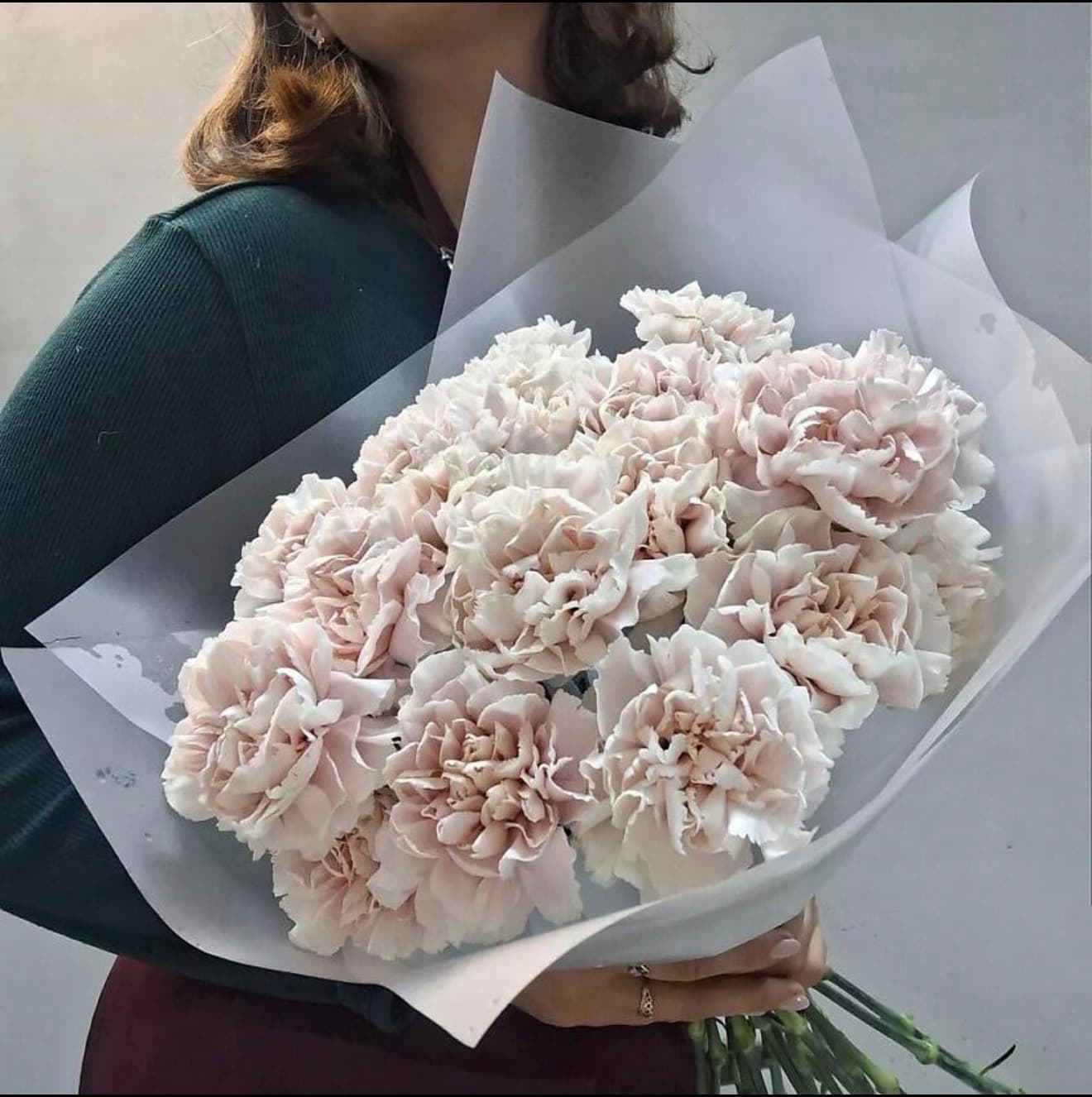
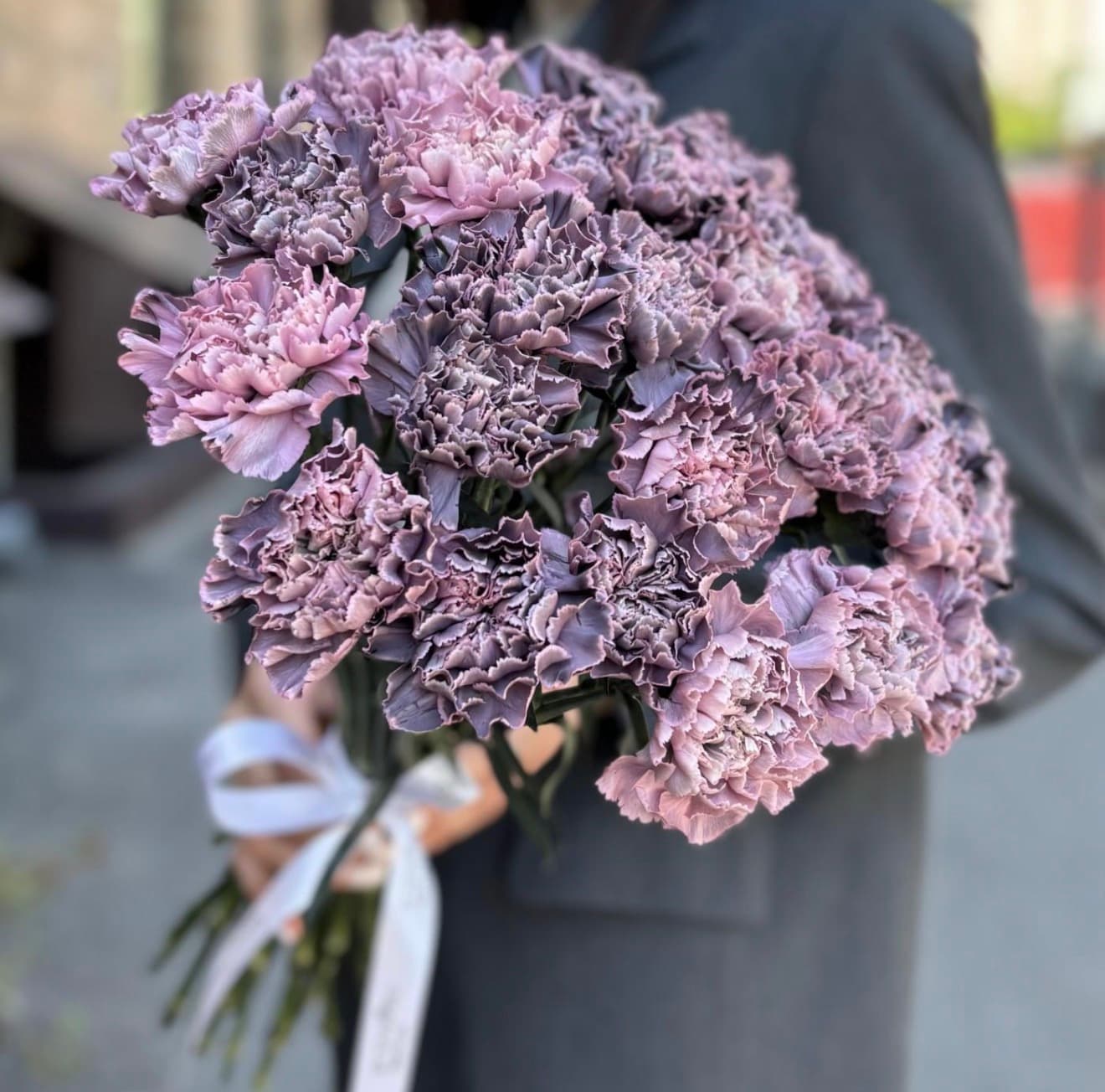
We chose carnations because they are serious flowers. They have centuries of cultural weight. They last longer than almost anything else you can put in a vase. And they exist in a range of colours — from the softest ivory to the deepest plum — that no other cut flower can match.
Wilde would, we think, have approved of a mauve carnation bouquet. Possibly a deep purple one. He might even have approved of the green.
If you would like to explore what a carnation can say for you, browse our full collection — or read more about what different carnation colours symbolise.